
Acacia Acacia mangium
Vietnam's flagship plantation species — hard, warm and lively in grain, with transparent origin from short-rotation plantations.
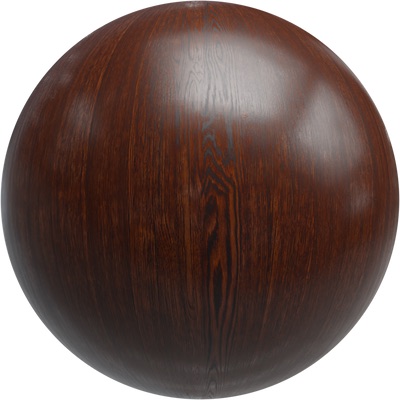
Origin: short-rotation plantations
Acacia (Acacia mangium and hybrids) is grown at scale across central and southern Vietnam — trees reach furniture-grade sawn timber size in roughly a decade. As a pure plantation species with no natural-forest harvesting, acacia is one of the easiest woods to document: plots with geo-coordinates, registered forest owners, and certified sustainable management in many regions.
EUDR & Lacey Act
Under the EUDR (EU) and the Lacey Act (US), Vietnamese plantation acacia sits firmly in the straightforward category: short supply chain, plot geolocation available from forest owners, no link to post-2020 natural forest conversion. Archilion compiles the per-shipment origin dossier for its partner workshops.
Physical properties
Qualitative descriptions from workshop practice — not a lab data sheet.
Hardness
Medium-hard to hard — in the range of European oak, robust enough for tabletops and flooring.
Color
Heartwood golden brown to deep brown with pale sapwood — clear contrast, warm overall.
Grain
Lively, often slightly interlocked and varied — more "character" than temperate hardwoods.
Stability
Moderate — proper kiln drying is essential; edge-glued panels are more stable than wide solid boards.
Workability
Machines well; locally interlocked grain can tear out under dull knives.
Durability
Heartwood naturally quite durable — usable in covered outdoor settings with periodic oil maintenance.
Furniture applications
- Dining tables and edge-glued tops (butcher block)
- Benches, chairs, table bases
- Solid flooring and stair treads
- Covered outdoor furniture (oiled, with maintenance schedule)
Compared to European species
Closest to European oak in hardness and robustness — but warmer in tone, more varied in grain and considerably more affordable. Buyers used to oak tend to read acacia as "tropical oak with character"; the only thing to insist on is a workshop with disciplined kiln drying.
Frequently asked questions
What EU and US buyers most often ask about this species.
Can acacia be sourced EUDR-compliant?
Yes — acacia is pure Vietnamese plantation wood with a short supply chain and plot geo-coordinates available, placing it in the low-risk EUDR category. A due-diligence statement is still required per shipment, and that is exactly what Archilion prepares with its workshops.
How durable is acacia compared to oak?
In hardness and load-bearing terms acacia plays in the same league as European oak — a dining table survives decades of daily use. Real-world longevity is decided by drying quality and glue-up, not by the species itself.
Is acacia suitable for outdoor use?
Conditionally yes: the heartwood is naturally fairly durable and works on covered terraces with an oiled finish and a maintenance interval. For fully weather-exposed year-round furniture, dedicated outdoor species are the better choice.
Which finish suits acacia best?
Oil and hardwax-oil bring out the grain and warm tone — the most common choice. Lacquer/PU gives stronger stain protection for hospitality settings. Acacia takes stain evenly when the surface is sanded properly.