
Oak Quercus spp.
The benchmark of European furniture — hard, with signature ray fleck, familiar to every buyer. Imported and crafted in Vietnam, with per-batch origin verification.
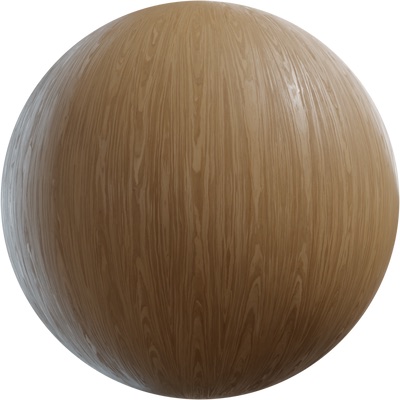
Origin: imported — verified batch by batch
Oak in Vietnamese workshops is imported timber: North American white/red oak or European oak. US sources are generally transparent; European sources and intermediary trade routes are more heterogeneous — which is why Archilion lists oak as "verify origin": every batch must be traceable to the exporter and the specific forest region before it enters a sales dossier.
EUDR & Lacey Act
Oak is entirely sourceable in EUDR- and Lacey-compliant form — the condition is batch-level paperwork: species declaration, harvest country and geo-coordinates of the forest region from the exporter. For routes via intermediaries, Archilion requires traceability back to the harvest point before confirming compliance status to the buyer.
Physical properties
Qualitative descriptions from workshop practice — not a lab data sheet.
Hardness
Hard and heavy — top tier among common furniture woods, impact-resistant in daily use.
Color
Pale yellow to light brown (white oak); with a faint pink cast (red oak) — light and neutral.
Grain
Straight, showing the signature ray fleck when quarter-sawn — the identifying mark of oak.
Stability
Good — best when quarter-sawn; thick boards dry slowly and demand careful kiln schedules.
Workability
Machines well; rich in tannin — avoid contact with damp iron (black staining), but ideal for fuming.
Durability
White oak heartwood is durable and moisture-resistant (barrels, historic shipbuilding); red oak is indoor-only.
Furniture applications
- Dining tables, desks, premium furniture
- Doors, frames and interior joinery
- Bookshelves, cabinet systems, beds
- Flooring and stair treads (especially white oak)
Compared to European species
The same genus Quercus as European oak — hardness, color and figure are near-identical; American white oak is the EU furniture industry’s familiar drop-in substitute. The difference lies in the supply chain, not the material — which is why Archilion’s focus with oak is the origin dossier.
Frequently asked questions
What EU and US buyers most often ask about this species.
Why does oak carry the "verify origin" label when acacia does not?
Because oak is imported timber with many trade routes (North America, Europe, intermediaries), while acacia is domestic plantation wood with a short chain. "Verify origin" does not mean high risk — only that each batch is traced to the harvest point before EUDR status is confirmed.
What separates white oak from red oak in practice?
White oak has closed pores and a moisture-resistant heartwood — fit for doors, floors and semi-protected uses; red oak is open-pored, pink-tinged and belongs indoors. Red oak is usually cheaper for the same quality of workmanship.
How long does oak furniture last?
Very long — oak is hard, heavy, impact-resistant and the furniture wood proven over centuries in Europe. For tables and chairs in daily use, oak is one of the safest choices there is.
Which finish suits oak?
Hardwax-oil for the light Scandinavian tone; matte PU for stain-resistant surfaces; and thanks to its tannin content, oak takes special effects like fuming (smoky grey-brown). The one caution: water plus iron leaves black marks.