Ihre ausgelagerte Marketingabteilung für die Region Stuttgart
Archilion ist ein Digital-Marketing-Studio für Gastronomie, Handwerk, Beauty/Nagelstudios und lokale Dienstleister — von Sichtbarkeit über Content bis zum monatlichen Reporting, aus einer Hand.
Ein Ansprechpartner, kein Agentur-Overhead
Ein fester Ansprechpartner statt wechselnder Account-Manager
Eigene Foto- und Videoproduktion vor Ort, mit eigener Ausrüstung
Google-Profil, Website und Social-Accounts gehören von Tag eins Ihrem Unternehmen
Verständliche, nachvollziehbare Abrechnung
Was wir tun
Unser Kernangebot ist die laufende Marketingbetreuung — Ihre ausgelagerte Marketingabteilung mit festem Redaktionsplan, Umsetzung, Kanalpflege und Reporting. Die drei Bereiche unten zeigen, was wir dabei konkret übernehmen.
Sichtbarkeit
SEO, Local SEO und Paid Ads — damit Ihr Unternehmen dort gefunden wird, wo gesucht wird.
Mehr erfahren- Lokale Sichtbarkeit: Google-Unternehmensprofil, Local Pack, Kartensuche
- Technisches SEO und OnPage-Optimierung, mehrsprachige Websites
- Verzeichnis- und Eintragsbereinigung
- Google Ads und Meta-Werbung (Facebook/Instagram) inklusive Budgetkontrolle
- Sichtbarkeit in KI-Antworten (AI Overviews, ChatGPT & Co.)
Inhalte & Reputation
Foto, Video und Social Media aus eigener Produktion — und ein Ruf, der zu Ihrem Unternehmen passt.
Mehr erfahren- Foto- und Videoproduktion vor Ort mit eigener Ausrüstung — keine Stockbilder
- Hochformat für Reels/Shorts/TikTok, Stills für Website, Karte und Print
- Umgang mit Google-Bewertungen: Bewertungsaufbau und Antwortstrategie
- Entfernung rechtswidriger Bewertungen auf Erfolgshonorarbasis — wir bereiten die Meldung vor und melden im Auftrag Ihres Unternehmens; Google kennzeichnet entfernte Bewertungen öffentlich mit einem Hinweis
- Digitale Besitzstände zurückholen: Google-Profil, Website, Domain und Social-Accounts — Eigentümer ist ab Tag eins Ihr Unternehmen
Technik & Zahlen
Websites, Marketing-Software und Marketing-Daten — die technische Basis fürs Marketing.
Mehr erfahren- Websites und Landingpages
- Anbindung von Buchungs- und Speisekarten-Systemen
- Automatisierung von Anfragen und Nachfassen
- Tracking- und Analytics-Einrichtung
- Auswertung von Kassen-/Buchungsdaten, monatliche Dashboards
Neues aus dem Blog
Alle Beiträge ansehen →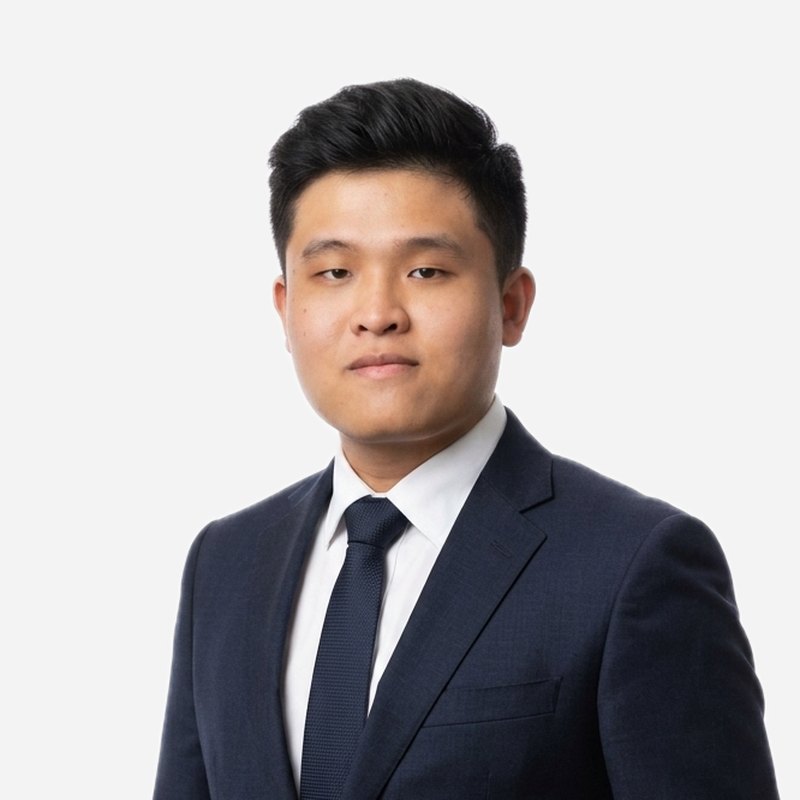
Über Archilion
Archilion ist ein Digital-Marketing-Studio für die Region Stuttgart. Wir übernehmen die Marketingarbeit für kleine und mittlere Unternehmen — als feste, ausgelagerte Marketingabteilung: von der Sichtbarkeit über Content und Reputation bis zu den Zahlen, die zeigen, was wirkt.
Ich bin Nguyễn Hải Minh, Gründer von Archilion. Meine Ausbildung: Staatlich geprüfter IT-Techniker (Fachrichtung Informatik), Informationselektroniker, dazu Wirtschaftsinformatik an der FernUniversität in Hagen. Diese technische Basis nutze ich für die Marketing-Software- und Marketing-Daten-Seite unserer Arbeit — von der eigenen Kameraausrüstung bis zum Dashboard, das zeigt, ob eine Kampagne wirkt. Ich spreche Deutsch, Englisch und Vietnamesisch.
Mehr über unsLassen Sie uns Ihr Marketing aufbauen
Wir schauen uns Ihre aktuelle Sichtbarkeit an und sagen Ihnen ehrlich, was zuerst Wirkung bringt. Einsatzgebiet: Stuttgart und rund 100 km Umkreis — vor Ort in Ihrem Betrieb oder remote.
minh.nguyen@archilion.com · hello@archilion.com
Festnetz: +49 711 121 92795
Zalo: +49 176 5972 0291 (für vietnamesische Kunden) · WhatsApp · LinkedIn